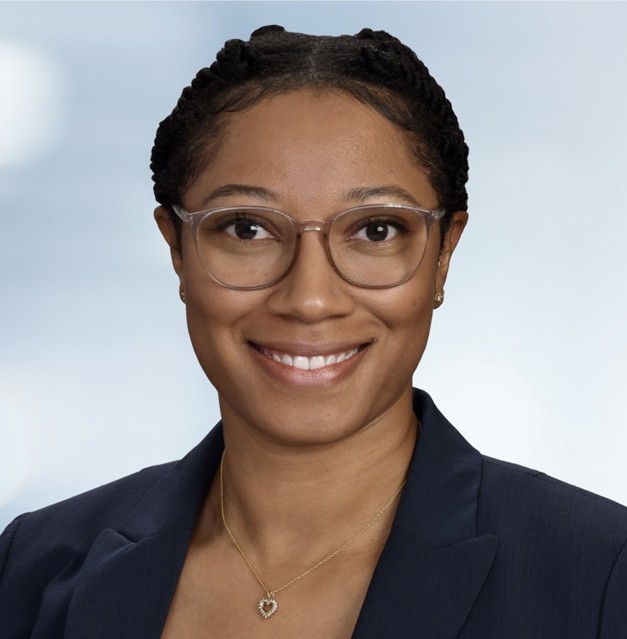
As part of our interview series “Stroke Visionaries,” we had the pleasure of meeting with Dr. Judea Wiggins.
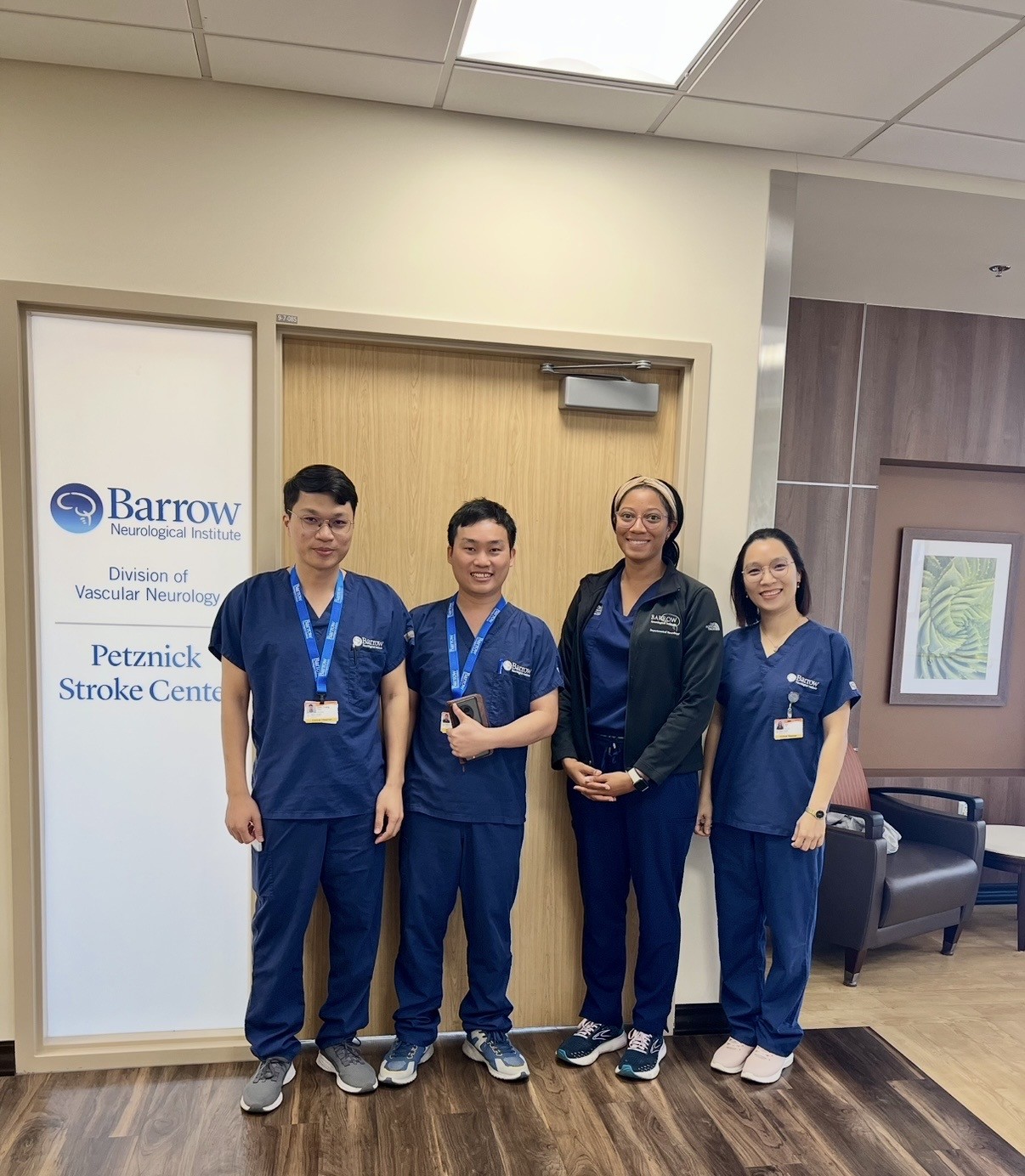
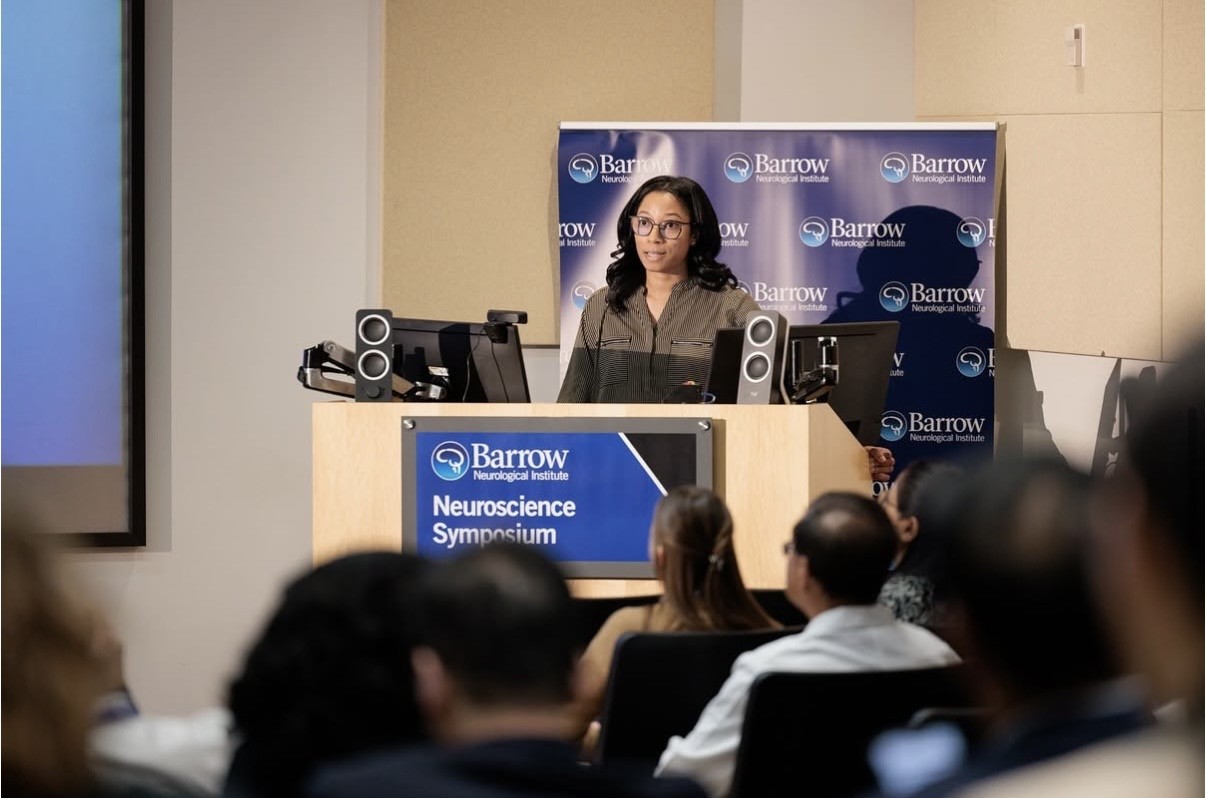
Dr. Judea Wiggins is a Vascular Neurologist, an Assistant Professor, and the Telestroke Director for the Petznick Stroke Center at Barrow Neurological Institute in Phoenix, Arizona. A graduate of the University of New Mexico’s combined BA/MD program, she completed her neurology residency at Barrow Neurological Institute, and a fellowship in vascular neurology at University of Utah Health. Dr. Wiggins serves as the Telestroke Director overseeing a 19-site network. Her research interests include examining and addressing health inequities within stroke in minority and rural communities, as well as improving access to acute stroke care.
Growing Up in a Family of Healthcare Professionals
Thank you so much for joining us on this interview series! Before we dive in further, could you tell us a bit about your personal journey? What sparked your interest in medicine, and what led you to where you are today?
Dr. Judea Wiggins: My path into medicine started early. I grew up in St. Louis and New Mexico with a large extended family; my mom has seven siblings, and almost all of them are in nursing in some capacity, including my grandmother. I remember visiting my mom at the dialysis unit when I was little, just hanging out and talking with her patients. My parents always pushed me to the next level, and as much as I admired nursing, I wanted to be the person making the decisions up front, figuring out why an emergency was happening and what we could do about it. I ended up going to medical school through a combined BA/MD program at the University of New Mexico that focuses on students from rural populations, with the goal that we’d return to serve the communities we grew up in.
You initially considered pediatrics. How did you pivot to neurology and specifically stroke?
Dr. Wiggins: Entering medical school, I actually thought I wanted to go into pediatrics because kids are so resilient and innocent, but I found I couldn’t emotionally detach from seeing such sick children. I didn’t know I was interested in neurology until my third-year stroke rotation. I feel like this is very common. Students do a stroke rotation and are blown away. You see someone present to the ED profoundly weak on one side, you give them a clot busting medication, they discharge being able to walk without assistance. There are very few things in neurology where you see such amazing, immediate results. On every rotation through medical school, I kept gravitating towards cases with neurologic pathology, as it is everywhere; I realized this was where I belonged.
People-First Telestroke Networks
As the Telestroke Director leading a large network, how do you see the future of telestroke evolving?
Dr. Wiggins: I really do think telestroke is the future of stroke care. We know there is a shortage of neurologists, especially vascular neurologists, and we simply can’t be in many places at once. We currently cover 19 sites, including 14 freestanding emergency departments and a new Indian Health Service site. Telestroke allows us to bring expertise into both local and rural communities, but it has to be more than a “doc in a box” model where you beam in, give a recommendation, and leave without understanding the local culture.
When we partner with a new site, we often ask, “What is your stroke code protocol?” so that efficiency is maximized. The answer is frequently, “We don’t have one.” So we have to start with the basics, from EMS pre-activation and triage screening, to who takes the patient to the CT scanner, etc. There are so many steps, and if they aren't working together, people lose the minutes (and healthy brain tissue) they need. Once you build that protocol, it creates a snowball effect: nurses and triage staff become better at identifying stroke symptoms, confidence in the system is built, call volumes go up, and the whole system becomes safer. It’s that relationship-building, acting almost as a consultant to help them build a system that works for their hospital, that makes telestroke successful.
Listening First in Community Work
You’ve been doing significant work with Native American communities. Can you share what that collaboration looks like?
Dr. Wiggins: We recently acquired our first Indian Health Service (IHS) site, which has been my favorite endeavor this year. We are hoping to do a needs-based assessment in a community in northern Arizona to see if implementing a formal telestroke program is truly helping, rather than just relying on our clinical sense that it is. One of my favorite examples of this collaboration involves the Navajo Nation, where many patients see both Western providers and medicine men. One of our residents recently explained stroke pathophysiology to a medicine man, who was amazed by the information. He noted that patients often come to him first with stroke-like symptoms, undergo ceremonies, and only go to the hospital days later when it’s too late for acute treatment. He promised to share this knowledge with other medicine men so they can tell patients to go straight to the hospital first, if they are experiencing these symptoms. That’s the power of building trust with the figures the community already trusts, listening to them rather than working around them.
Many physicians from low-resource settings visit your center through the Barrow Global Initiative. What have you learned from them?
Dr. Wiggins: We often have observers from countries like South Africa, Ethiopia, and Vietnam rotate with us, and it is eye-opening. Many of them work in hospitals with thousands of beds but only one CT scanner, no stroke codes, and no rehab setup; patients often wait several days for imaging. Hearing their experiences makes me incredibly grateful for the resources we have at Barrow, but it also makes me mindful that "less is more." When you have an abundance of resources, you are more apt to order extraneous testing that increases costs without changing management. Their perspective reminds me not to frivolously order tests in replacement of good clinical acumen and to focus on what will actually change patient outcomes.
What Does a Career in Stroke Care Look Like?
Did you perceive any barriers to entering this field as a woman, and what advice would you give to others?
Dr. Wiggins: My biggest concern during training was the lifestyle; seeing my mentors exhausted from 24-hour calls made me wonder if I was cut out for this life. A mentor of mine, Dr. Wang, told me, “I think you should go for it, you have the gift of thinking like a stroke neurologist” and reminded me that stroke doesn’t have to be a one-way track. If you want to focus on prevention in the outpatient clinic, contribute to groundbreaking research, or focus on post-stroke rehabilitation, you can. Once I realized that flexibility existed, that you can make the career whatever you want it to be, it made all the difference. I think if more women realized that stroke isn't just a "one-trick pony" of acute inpatient care, they would enter this world more frequently.
Finally, how do you see technology and AI fitting into the future of stroke care?
Dr. Wiggins: Technology is definitely the present and the future, but it can never fully replace clinicians due to the unique nuances of every person presenting with stroke. Technology however can be used as a powerful tool to improve inefficiencies and promote convenience. AI software is already able to send a notification to your smart phone on the presence of a large vessel occlusions, perfusion of brain tissue, and aneurysm detection. If a hospital system doesn’t have the ability to get stat radiology reads on brain imaging and is without neurology services, AI software can certainly be a tool to help determine who may be a candidate for acute interventions. I’m also excited about consumer technology; we can already detect atrial fibrillation with smartwatches, and there are discussions about phone apps using facial ID to detect drooping and prompt users to call 911. The point of all this technology isn't to replace us (the clinicians), but to empower us and give us time back so we can use it to connect with our patients.
If you or someone you know is driving change in stroke care, we’d love to hear from you. Please send an email with your nomination to Emma Houtz at ehoutz@brainomix.com.
Stay tuned for more editions of Stroke Visionaries.