As part of our Stroke Visionaries interview series, we had the pleasure of speaking with Dr. Erika Weil.
Dr. Erika Weil, MD, is a Vascular Neurologist and the Telestroke Director at Michigan Medicine, where she also serves as a Clinical Assistant Professor of Neurology. After completing much of her medical training and residency at the Mayo Clinic, where she developed a foundation in patient-centered care and clinical excellence, she moved to Michigan to lead their telestroke initiatives. Dr. Weil’s work focuses on the intersection of technology and acute neurology, specifically in optimizing "webside manner" to maintain compassionate counseling in high-stakes environments. Her clinical interests include the advancement of thrombolytic and endovascular eligibility, as well as the strategic integration of AI and automated imaging to enhance the speed, consistency, and confidence of remote stroke triage.
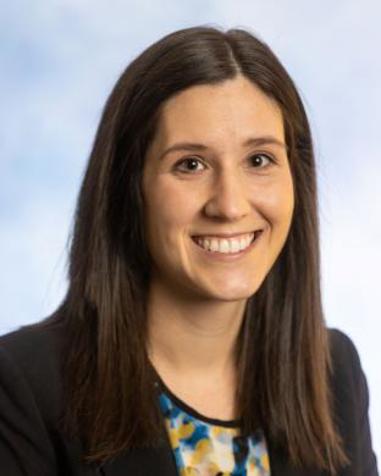
Meet Dr. Erika Weil
Can you please walk me through your career path? What experiences originally drew you to Neurology and Telestroke? Was there a particular moment or mentor in your career that you would like to highlight?
Dr. Weil: My interest in Neurology began early in medical school, when I had the opportunity to care for patients with acute ischemic stroke. I recall seeing a patient in the emergency department who received thrombolytic therapy and was struck by how time-sensitive and impactful stroke care could be. The ability to make rapid decisions that could meaningfully change a patient’s outcome was incredibly compelling to me. Since then, it has been exciting to witness the advancements in acute stroke care, which have expanded the population of patients eligible for thrombolytic or endovascular treatments.
I was first introduced to Telestroke during my fellowship training, and it immediately stood out as a unique and powerful extension of that same acute care model. The ability to provide timely, specialized neurologic care to patients across geographically diverse and often underserved areas is incredibly meaningful and plays an important role in supporting acute stroke care in a variety of settings.
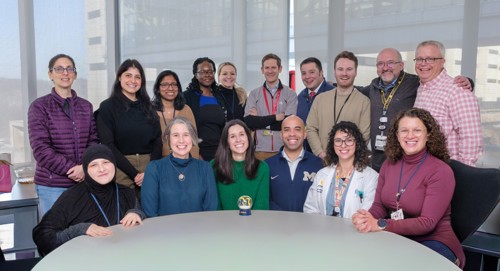
Telestroke in Michigan
As the Telestroke Director at a major institution like Michigan, you’re often making critical decisions from a distance. What do you see as the biggest challenge and the biggest opportunity in using technology to bridge the geographical gaps in stroke treatment?
Dr Weil: One of the biggest challenges in Telestroke is not being physically present at the bedside. While the technology allows us to perform a neurologic exam remotely, there are still inherent limitations. It is crucial to maintain a strong “webside manner” during such a high-stakes, time-sensitive moment, though this can be challenging. Patients and families may be frightened and overwhelmed during a stroke evaluation, and it’s essential that the technology does not interfere with clear communication, trust, and compassionate counseling around treatment decisions. It is also important to maintain strong communication with local care teams so that patients can see we are working together.
The greatest opportunity is the ability to expand access to acute stroke expertise, particularly for hospitals without on-site stroke teams. As our Telestroke program grows, we are able to bring timely, specialized care to more patients across Michigan. This not only increases the number of patients who can receive acute stroke therapies, but also helps improve door-to-treatment times, which are critical to outcomes.
In your experience, how has the arrival of AI and automated imaging changed the conversation among clinical teams? Specifically, how has it impacted the speed of decision-making or the level of confidence you feel when triaging patients from a remote site?
Dr Weil: The integration of AI and automated imaging has enhanced how we triage patients. These tools can rapidly identify potential large vessel occlusions or perfusion abnormalities, which is valuable in time-sensitive situations, particularly in a Telestroke setting. The platforms can also help facilitate more efficient communication with local endovascular teams, which can streamline coordination of care.
At the same time, it remains essential to interpret these tools within the broader clinical context. Careful review of the imaging and clinical exam is still critical. I view AI as a powerful adjunct tool that can improve speed, consistency, and confidence in decision-making, but that works best when paired with clinical expertise. In that sense, it doesn’t replace clinical judgment, but rather helps support and enhance it.
You've spent most of your career at the Mayo Clinic and Michigan Medicine. How have these two institutions influenced your approach to patient care?
Dr Weil: These experiences have shaped how I approach both patient care and systems of care more broadly. My training instilled a strong foundation in patient-centered care, with an emphasis on always prioritizing the individual patient, and I’ve been fortunate to continue working in an environment that values innovation, education, and improving access to care.
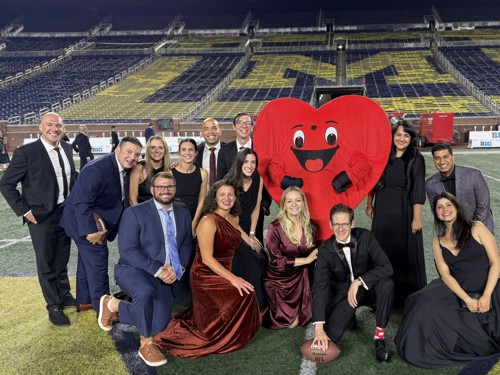
Advice For Future Clinicians
The Stroke Visionaries series aims to inspire the next generation of clinicians. What is one piece of advice you would give to people early in their medical careers?
My advice would be to stay curious and open as you navigate your career in medicine. There are many different paths, and you don’t need to have everything figured out early on. Seek out mentors, say yes to new opportunities, and pay attention to the parts of the work that feel most meaningful to you. Over time, those experiences will help shape a path that is both fulfilling and sustainable.
If you or someone you know is driving change in stroke care, we’d love to hear from you. Please send an email with your nomination to Emma Houtz at ehoutz@brainomix.com.
Stay tuned for more editions of Stroke Visionaries.