


Stroke Visionaries: Dr. Zuzana Gdovinova
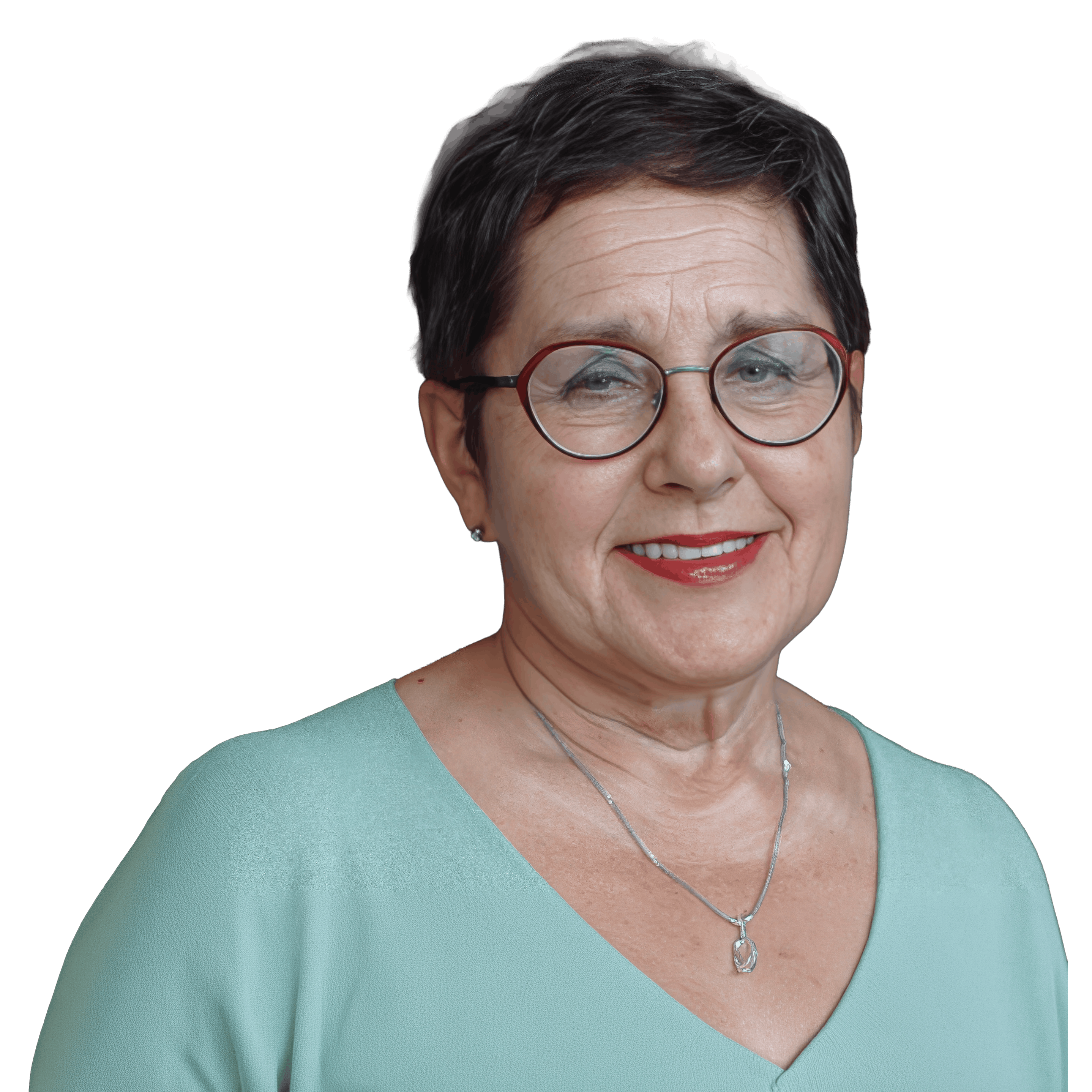
As part of our interview series "Stroke Visionaries," we had the pleasure of meeting with Dr. Zuzana Gdovinova.
Prof. Zuzana Gdovinová is a driving force for stroke care in Slovakia. She is currently Head of the Department of Neurology at the Faculty of Medicine, P.J. Šafárik University and University Hospital L. Pasteur in Košice, and President of the Slovak Neurological Society. A member of the European Stroke Organisation (ESO) Board of Directors, she also serves as national coordinator for SITS, the Angels Initiative and the Stroke Action Plan for Europe, and has been instrumental in establishing Slovakia’s national stroke registry. She has been recognized by the Angels Initiative’s Spirit of Excellence Award and Slovakia’s Personality of Science and Technology award. In this Q&A, Prof. Gdovinová discusses how data and internal cooperation helped to develop stroke care in Slovakia, what clinical trials have taught her, and the work still ahead for the next generation.
Thank you so much for joining us on this interview series! Could you walk me through your career path: why you chose neurology, and what first drew you towards stroke?
I enjoyed neurology even during my studies; it seemed so logical—the way we learned it was very clear: if a patient has a lesion somewhere, we immediately know where the cause lies. In practice, however, it has proven to be much more complex, despite that, I am very fond of neurology.
When I started work, many neurological diseases could not be treated; I am very glad that I was able to work during a period when we began treating many neurological diseases, including strokes. First came thrombolysis, followed later by thrombectomy; these developments completely changed the fate of patients and improved their quality of life.
You've helped to develop stroke care across Slovakia and the wider region through your work as national Angels and SITS coordinator and with the Stroke Action Plan Europe. What has driven that, and what are you most proud of?
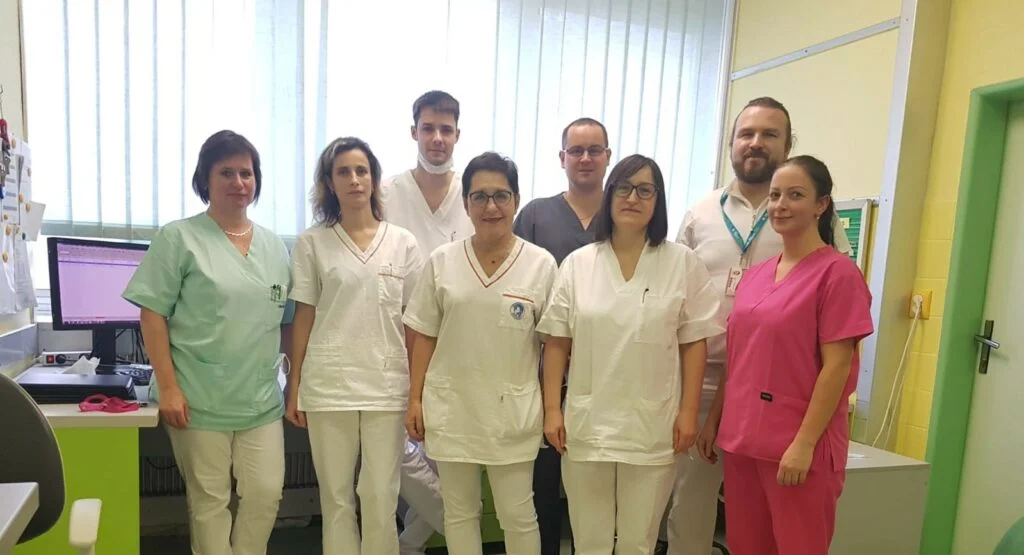
It was precisely international cooperation that showed us we could do things better. To improve, we needed data on how we treat patients. Consequently, we adapted our stroke registry to be compatible with international registries—first SITS, and subsequently RES-Q. We are particularly proud of the fact that our registry is mandatory; for the past 10 years, it has been consistently completed by all stroke centers—a situation that was not the case at the outset. The data obtained in this way, and their public presentation, helped us reduce the time to the administration of acute treatment, increase the percentage of patients receiving treatment, and improve secondary prevention. Every hospital gained insight into its own performance and identified its shortcomings. Currently, our task is to improve follow-up care.

You've been part of a lot of the major stroke trials over the years. Has any result changed the way you think or practise?
Studies have taught us to work more rigorously and to gain experience with new treatment approaches before they are adopted into routine clinical practice. They have also led us to conduct our own research. We have learned that it is necessary to collect data beyond what is captured in registries, in order to evaluate our practices in areas where clear-cut recommendations do not exist.
As President of the Slovak Neurological Society and a leader across European stroke organisations, what do you hope to change for the next generation coming into the field?
We would like to see more patients return to a full, active life following a stroke, and we also hope that patients themselves will take a more proactive approach to their own health. In our daily practice, we observe that many patients fail to manage high blood pressure, lipid metabolism disorders, and other risk factors—even when they are aware of them. Some continue to neglect these issues even after having already suffered a stroke. Many people do not get enough physical activity, and not everyone follows a healthy diet. Addressing these factors would certainly help reduce the incidence of stroke. In all countries, we are working to improve access to post-stroke rehabilitation. Furthermore, the treatment of hemorrhagic stroke remains a challenge, as outcomes in these cases are not yet as favorable as those seen with ischemic stroke. So, we still have a lot of work to do in terms of educating patients, as well as exerting pressure on governments to invest in brain health. This is also why the European Academy of Neurology launched the "Brain Health Mission" initiative.
Outside of all these roles, what keeps you grounded and brings you joy?
When working with people, one sometimes needs to take a break and recharge. Lately, I’ve found golf to be the best way to relax. You’re out in the fresh air, and—provided you don’t use a golf cart—you get quite a bit of walking in. If things go well, it’s a joy; if not, well, at least you’re out in the fresh air. I really enjoy downhill skiing in the winter, so I try to enjoy it while we still have snow. I also really enjoy going to concerts; I am very fond of classical music and opera.
If you or someone you know is driving change in stroke care, we’d love to hear from you. Please send an email with your nomination to Emma Houtz at ehoutz@brainomix.com. Stay tuned for more editions of Stroke Visionaries.

Ready to transform stroke care?
Join 400+ hospitals worldwide already using Brainomix 360 Stroke to save more lives, faster.

Brainomix Limited is a company registered in England and Wales at OX2 0JJ. Company Registration No. 07426406


Brainomix © 2026. All rights reserved